

Why Do Roofs in Dundee, NY Need Cleaning?
Roofs in Dundee, NY develop moss, algae, and debris buildup due to the area's distinct seasonal cycles and tree cover. Cleaning not only improves curb appeal but also extends the life of roofing materials by reducing moisture retention and preventing premature deterioration. Neglecting regular cleaning can lead to shingle damage, wood rot, or leaks—especially after the wet or stormy seasons common in the region.
Is Roof Cleaning Safe to Do Yourself?
Roof cleaning can be done safely by homeowners if precautions are taken. Dundee residents should consider roof pitch, surface condition, and personal mobility before starting. Flat or slightly sloped roofs present fewer risks, while steep or damaged roofs can be dangerous. Never clean a roof alone or when surfaces are wet and slippery. Some situations—such as fragile old shingles, visible structural damage, or mold infestations—make it safer to seek expert help. Falls are the main hazard, so always prioritize safety over speed.
What Supplies and Tools Are Needed?
To clean most residential roofs safely, gather these essentials:
- Sturdy ladder with stabilizers
- Non-slip shoes or boots
- Soft-bristle brush on an extension pole
- Garden hose with sprayer (never a pressure washer, which can force water under shingles)
- Safety harness if available, especially for higher roofs
- Gloves and eye protection
- Biodegradable roof cleaner or a mix of mild dish soap and water
Avoid harsh chemicals like bleach that could harm landscaping or release fumes. Always read labels to ensure products are safe for both roofing material and the environment.
How Do Local Weather and Seasons Affect Roof Cleaning?
In Dundee, seasonal temperature swings and humidity affect the ideal time for roof cleaning. Spring and early autumn offer the safest weather and best results—roofs are usually dry, and temperatures are mild. Avoid cleaning during winter, as icy surfaces are extremely hazardous, and never work during or immediately after rainfall.
Wet spring can lead to moss and algae growth, while late summer leaves may accumulate and clog gutters. Plan cleaning around wind patterns to prevent debris from blowing onto freshly washed areas.
What Is the Safest Way to Remove Moss and Algae?
Begin by gently brushing away loose debris and moss with the soft-bristle brush. For stubborn growth, apply a mild, roof-safe cleaning solution using a garden sprayer. Let it sit for 15–20 minutes, then rinse off using a low-pressure flow of water. Scrubbing too hard can dislodge shingles. Never use wire brushes or abrasive pads—they damage asphalt and composite shingles common in local roofing.
Moss between shingles or heavy green patches should be treated carefully. Too much water pressure or aggressive scraping can lift or break shingle edges, especially in older roofs. It's common for roofs shaded by large trees or surrounded by foliage to require more frequent gentle cleanings.
How Should Debris Like Leaves and Pine Needles Be Cleared?
Leaves, branches, and pine needles should be cleared by hand or with a leaf blower set on low. Always direct air away from shingle seams. Many Dundee homes are surrounded by mature maples and pines, leading to significant spring and autumn accumulation. Neglected debris traps moisture and speeds up wear, especially around chimneys and valleys.
Gutters should also be checked and cleared to prevent overflows, as clogged gutters lead to leaks and foundation problems. Wear gloves to avoid sharp edges and potential pests.
What Safety Practices Should Be Followed for Roof Cleaning?
Falls are the leading cause of home maintenance injuries. Essential safety practices in Dundee include:
- Checking that ladder feet are on solid, level ground
- Avoiding overreaching—move the ladder instead
- Using a harness or rope if heights are involved
- Wearing sturdy non-slip footwear; skip the job if shoes are worn out
- Working with a partner who can spot hazards or provide assistance
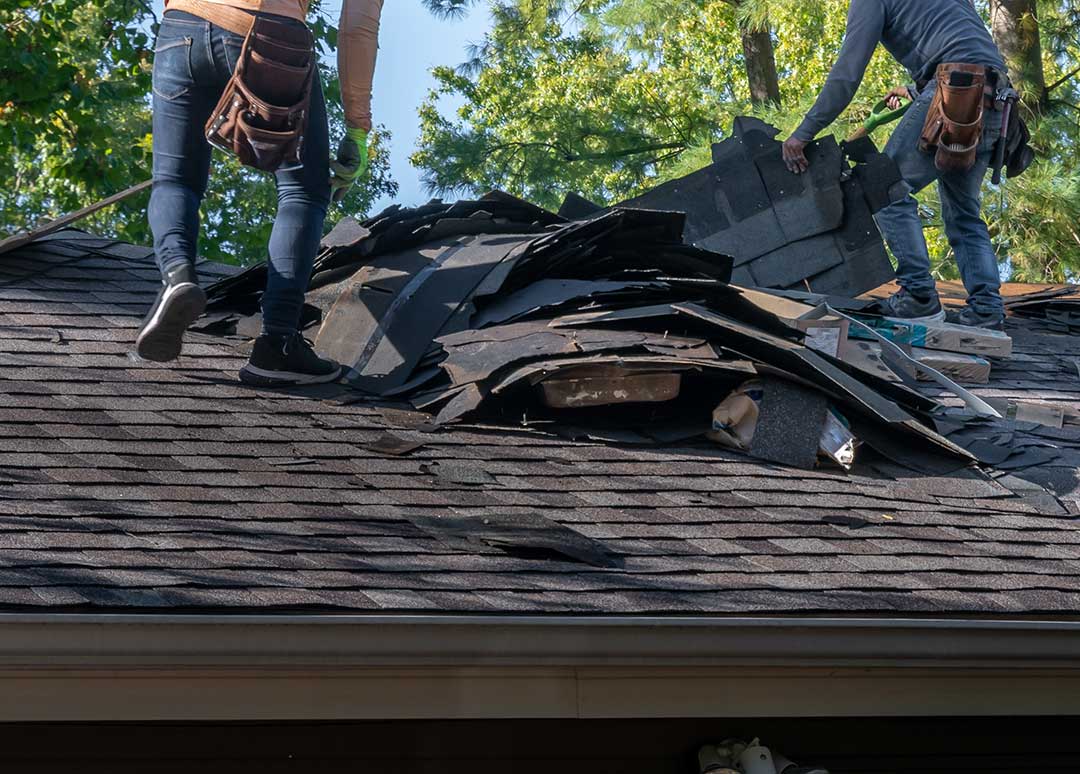
Never attempt cleaning after recent rain, early morning dew, or during high winds. If the roof is icy or slippery from wet leaves, waiting for dry weather prevents dangerous slips.
How Often Should Residents Clean Their Roofs?
Most area households find that a gentle annual cleaning after pollen season or early fall is sufficient, though homes shaded by trees may need attention twice a year. Homes with black stains (usually algae) or frequent moss growth may benefit from more frequent inspections and light touch-ups rather than invasive scrubbing. Adjust timing based on changing weather and visible buildup rather than the calendar alone.
Are There Common Mistakes or Misconceptions?
A few frequent errors include:
- Using high-pressure washers, which can strip shingle granules and void warranties
- Relying on bleach or harsh cleaners, causing runoff damage or discoloration
- Ignoring safety precautions and attempting to work on slippery or steep surfaces alone
- Removing all moss or growth in a single aggressive session, which may do more harm than good
Another misconception is that “roof cleaning isn’t necessary.” In reality, periodic gentle cleaning can help prevent expensive repairs.
What Should Be Done After Cleaning?
After the roof is clean, perform a visual inspection for missing shingles, exposed nail heads, or signs of wear. Clean and check gutters for proper flow. Dispose of all debris and rinse walkways. Take note of any recurring problem areas to monitor over time, such as rapidly returning moss on shaded sides, and trim nearby branches if possible to improve sunlight and airflow.
