
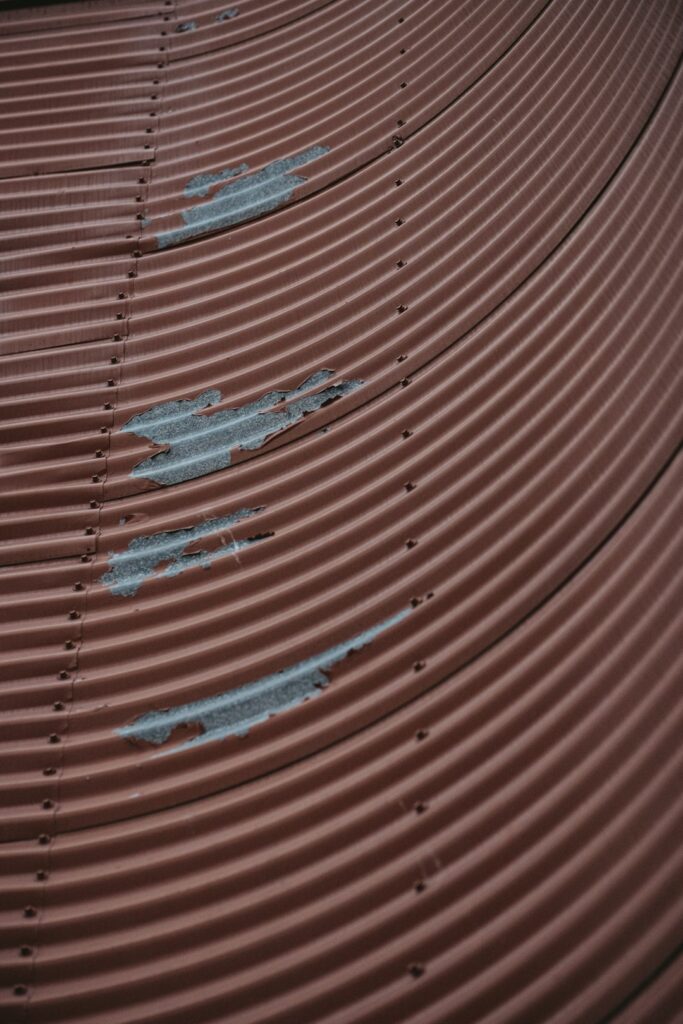
A roof rarely fails all at once. More often, age, weather exposure, moisture, and repeated repairs gradually reduce its ability to protect the house. For homeowners in Dundee, NY, the decision to replace a roof should be based on several factors together: the roof’s age, visible deterioration, leak history, attic conditions, and the condition of the underlying structure.
How old is the roof?
Roof age is one of the clearest starting points, especially when the roof is covered with asphalt shingles. Many asphalt shingle roofs provide dependable service for roughly 20 to 30 years, although actual life varies with ventilation, installation quality, roof slope, material type, storm exposure, and maintenance.
A roof approaching the end of its expected service life may still look acceptable from the ground. However, aging materials become less flexible and less resistant to wind, ice, freeze-thaw cycles, and driving rain. If the installation date is unknown, property records, previous inspection reports, invoices, or information from a prior owner may help establish an approximate age.
Age alone does not automatically require replacement. A relatively young roof with widespread storm damage or installation defects may need attention sooner, while a well-maintained older roof may remain serviceable for a time. Age becomes more significant when combined with multiple visible warning signs.
What shingle problems suggest replacement?
Some roof damage can be repaired without replacing the entire covering. Replacement becomes more likely when deterioration is widespread or appears across several roof slopes.
Watch for:
- Missing, cracked, curled, buckled, or badly discolored shingles
- Shingles that are losing large amounts of protective granules
- Bare-looking areas where the fiberglass mat or underlying surface is exposed
- Repeatedly damaged shingles in the same general area
- Loose or deteriorated flashing around chimneys, vents, skylights, and roof edges
- Excessive shingle brittleness, especially on roofs exposed to strong afternoon sun
- Shingle tabs that are lifting after ordinary wind rather than an unusually severe storm
A few missing shingles after a storm may be a repair issue. If many shingles are missing, if the same area keeps failing, or if the roof surface is deteriorating across the entire slope, patching may only postpone a larger problem.
Do leaks always mean the roof must be replaced?
No. A leak does not automatically mean the entire roof has reached the end of its life. Water can enter through a damaged flashing joint, an improperly sealed vent, a roof valley, or a small area of storm damage.
The more useful question is whether the leak is isolated and repairable or part of a broader pattern. Replacement deserves serious consideration when:
- Leaks occur in multiple rooms or roof sections
- Repairs have been made repeatedly but moisture returns
- Roof sheathing or framing has begun to rot
- Water stains continue to expand
- The roof covering is old and visibly deteriorated
- Insulation has become wet or moldy because of recurring leaks
A ceiling stain may remain visible after a leak has stopped, so the stain itself does not prove that active water entry is continuing. New staining, damp insulation, musty odors, peeling paint, or water appearing during several different storms are more useful clues.
What does the attic reveal?
The attic often shows problems before they become obvious inside the living space. During a safe inspection from the attic floor or access area, look for daylight through the roof deck, damp wood, rusted fasteners, wet insulation, mold-like growth, and darkened areas around penetrations.
Ventilation also matters. Poor airflow can allow heat and moisture to build up beneath the roof. In winter, warm attic air may contribute to condensation and ice formation at the eaves. In a climate with cold winters, snow, rain, and repeated temperature changes, these conditions can shorten shingle life and contribute to wood deterioration.
Not every dark mark indicates an active roof leak. Dust, old staining, and condensation can look similar. If the roof structure appears soft, sagging, or heavily deteriorated, avoid walking on it or disturbing damaged areas. Structural concerns and hazardous access conditions require evaluation by someone qualified to assess them safely.
Are sagging areas an emergency?
A sagging roofline is more serious than ordinary shingle wear. It may indicate weakened decking, damaged rafters, long-term moisture intrusion, excessive loading, or a drainage problem.

Other urgent warning signs include:
- A visibly bowed roof surface
- Cracking or movement in ceilings beneath the roof
- Doors or windows that begin sticking after a major leak
- Large amounts of snow or ice collecting unevenly
- Water entering near electrical fixtures
- A section of roof that has collapsed or is visibly shifting
Do not climb onto a roof with structural movement, heavy ice, active lightning, or wet, slippery conditions. In winter, snow and ice can conceal damaged shingles and create dangerous loading or fall conditions. New York’s residential building requirements account for snow and wind loads, but an existing roof can still have hidden weaknesses caused by age, moisture, alterations, or poor previous repairs.
How do storm damage and seasonal conditions affect roof life?
The conditions experienced by homes in Dundee can be hard on roofing materials. Winter snow, ice, wind, spring rain, summer heat, and repeated freeze-thaw cycles all place stress on shingles, flashing, fasteners, and roof edges.
After a significant storm, a ground-level check can identify obvious concerns such as missing shingles, displaced metal, fallen branches, or damaged vents. Granules in gutters may indicate wear, although a small amount can also be normal after installation or routine aging.
Ice dams deserve special attention. They form when heat escapes into a cold attic, melts snow on the warmer upper roof, and allows water to refreeze near colder eaves. Ice dams can force water beneath shingles and damage insulation, ceilings, and interior finishes. Repeated ice dam problems do not always mean the roof covering needs replacement, but they may reveal ventilation, insulation, air-sealing, or drainage issues that must be addressed along with any roof work.
Can a roof be repaired instead of replaced?
Repair is often reasonable when damage is limited, the roof is relatively young, the underlying decking is sound, and matching materials are available. Replacement is generally more practical when damage is widespread, the roof is near the end of its expected life, or repairs would involve many separate areas.
A repair may not be a durable solution when shingles are brittle, the roof has several layers, flashing is failing in multiple locations, or water has damaged the deck beneath the covering. A roof can appear to need only a small patch while the surrounding materials are too worn to seal reliably.
The decision should consider both the visible surface and the roof system as a whole: shingles or panels, underlayment, flashing, ventilation, decking, gutters, and the supporting structure.
What should homeowners check before making a decision?
Before deciding on replacement, gather the roof’s approximate age and repair history. Check the attic, ceilings, gutters, roof edges, valleys, and areas around penetrations. Take photographs from the ground rather than climbing onto a questionable surface.
It is also useful to distinguish cosmetic concerns from functional failures. Moss or surface discoloration may be unsightly without requiring replacement, while a roof that looks acceptable may still have concealed leaks or deteriorated decking.
A roof generally deserves replacement consideration when several signs appear together: advanced age, widespread shingle deterioration, recurring leaks, damaged flashing, soft or sagging areas, wet attic materials, and a history of repeated repairs. Addressing those signs before the next major season can reduce the chance that a manageable roofing problem becomes interior or structural damage.
